✅ "Pharmacy-trusted since 2013, now delivering Australia's rarest raw honeys direct to your door."

Honey Crystallisation
Understanding honey crystallisation and what it means.
Honey Crystals:
The Facts!
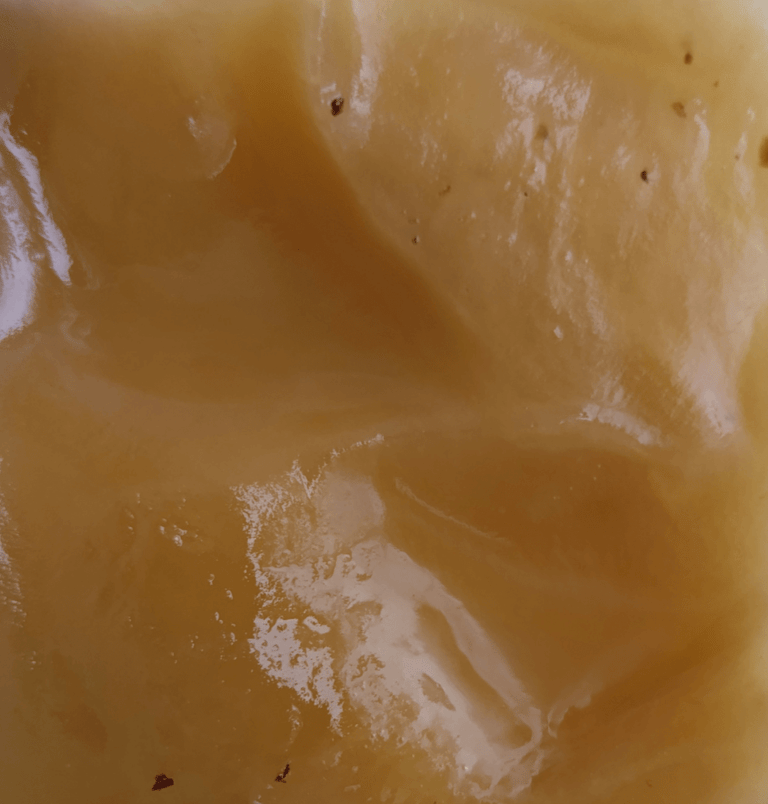
Honey crystallisation is a common phenomenon that is not always easy to understand. Customers need to know that this is not a sign of spoilage or contamination. Crystallisation is a natural process in which honey changes from a liquid to a solid state. In this article, we will examine what honey crystallisation is, how it occurs, and the main factors that influence this natural process.


The Primary Elements Impacting Honey Crystallisation!
Glucose/fructose ratio:
Honey is a supersaturated solution comprising more than 70% sugar and less than 20% water. The two main sugars are fructose, at around 30–44%, and glucose, at about 25–40%. However, the glucose-fructose ratio, which differs among floral types, is a key factor determining honey crystallisation. Glucose tends to crystallise due to its low solubility in water (909 g/L at 25 °C), while fructose is 4.4 times more soluble in water (4000 g/L at 25 °C). Honey with a high glucose/fructose ratio will granulate faster than honey with a higher fructose/glucose ratio.
Moisture content:
The water content in honey is approximately 17 - 18%. When the water content is low, glucose tends to crystallise more readily because there is less solvent available to keep the sugar in solution. Over time, especially in cooler temperatures, the glucose in honey is prone to crystallising as it separates from the water. This process reduces the water content of the remaining liquid, thereby lowering the water activity of the honey. It also functions as a natural defence system against fermentation in floral honey types with higher glucose content.
Pollen content:
Raw honey contains pollen, which can serve as a crystal nucleus for the formation of crystals. In a beehive, there can be about a hundred different species of pollen at one time, each one of which is a potential nucleus of crystallisation. Pollen grains suspended in honey play an important role in the crystallisation process. In this case, the term nucleation refers to the creation of little “seeds” from which a crystal will develop. Pollen is more abundant in raw honey, which is one of the reasons why crystallisation of raw honey will occur more quickly than highly-filtered honey. Pollen acts as a point of nucleation, but it is also the source of nutrition for honey, as well as the region-specific characteristics.
Storage temperature:
Certain honeys may crystallise when the outside temperature is cold due to their natural composition and sugar properties. As mentioned previously, honey is a supersaturated solution primarily composed of two main sugars: glucose and fructose. When temperatures drop, the solubility of these sugars decreases, especially glucose, which tends to precipitate out of the solution. This process is accelerated in colder conditions because the cooler temperatures encourage the glucose molecules to align and form crystals. However, it's essential to note that crystallisation is a natural process and is not a sign of spoilage or a decline in quality; crystallised honey is just as edible and nutritious as its liquid counterpart.
Beeswax:
Microscopic particles of beeswax present in raw honey serve as additional nuclei for crystallisation to begin. During extraction, microscopic pieces of wax are left behind, suspended in the honey and the honey solution. These microscopic wax particles provide a surface for glucose molecules to adhere to and start crystallising. Commercial filtration removes these particles, which is one of the reasons why highly-filtered honey will remain liquid for longer.
The environmental conditions of the nectar source:
Soil conditions and rainfall can influence the characteristics of honey produced by the same species of plant in different locations. Soil composition affects the nutrients and minerals available to the plant, which can subtly alter the nectar's chemical makeup. Similarly, the amount and timing of rainfall can influence the concentration and availability of floral nectar. As a result, honey produced from a particular floral source in one area might crystallise with a different texture or speed compared to honey from the same floral species in another location, where conditions lead to a more candy-like composition. This diversity is part of what makes honey such a unique and regionally distinctive product.
In summary:
Honey crystallisation is a natural process that depends on the composition of the specific floral source. Some honeys, such as yellow box, for example, contain higher fructose-to-glucose ratios than other floral types, and if Yellow Box were to crystallise/candy, it would be on a very slow basis. So, it's crucial to note that crystallisation is a natural process that DOES NOT indicate spoilage or a decline in quality. In fact, if some honey types did not crystallise, then the authenticity of that particular honey source would be questionable.
Honey FAQs
Why does honey crystallise?
Honey crystallises because glucose naturally separates from water over time.
Is crystallised honey bad?
No, crystallised honey is safe and retains all its natural flavours and nutrients.
How can I reverse crystallisation?
Gently heat the honey by placing the container in a warm water bath to dissolve the crystals without compromising its quality.
Does crystallisation affect taste?
Crystallisation may alter the texture, but the taste will remain unchanged if stored properly — rich and sweet.
Why do some honeys crystallise faster?
Honeys with higher glucose content tend to crystallise more quickly compared to floral types with higher fructose levels.
Melli Magic Honey®
+61-411234759
Melli Magic Honey® © 2026. All rights reserved.
ABN: 65366959676
149 The Grand Parade, Monterey, NSW, 2217