
Raw Australian Honey!
Unleash the magic of pure, natural, raw, Australian honey and tap into its amazing health benefits! Experience the pure essence of unprocessed floral types and discover how they can enhance your health and well-being!
Why Choose Raw Australian Honey!
Raw Australian honey is a true superfood, as it contains all of its natural enzymes, antioxidants, and beneficial properties. Unlike commercially processed honey, raw honey is not heated or filtered, which means it retains all of the natural components found in bee propolis, pollen, and royal jelly. These include antimicrobial, anti-inflammatory, and immune-boosting properties. Additionally, raw honey from local beekeepers may help alleviate symptoms in some people with seasonal allergies, as it contains trace amounts of local pollen that could potentially aid in building immunity.
Honey has been consumed for millennia, and yet the jar of commercial honey in your pantry would not be recognised as honey today by your great-grandparents. The numerous processing steps in making commercial honey are designed to produce the honey in your cupboard, shiny and clear. But what are the costs?

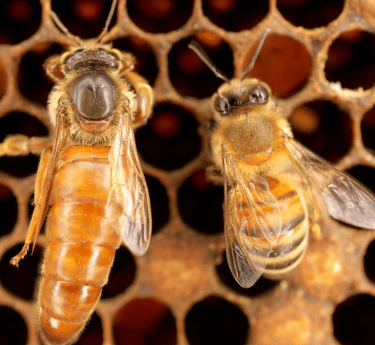
Commercial Honeys, What are the Costs?
Commercial honeys are often pasteurised (or heat-treated in another way). Pasteurisation temperatures are usually in the range 63 to 78 °C for several minutes. The aim is to kill yeast cells and to delay crystallisation. The honey is then filtered through microfine filters, which can remove particles as small as 1-5 microns in size. Heat treatment of honey imported into Australia is required to be at a higher temperature (at least 65 °C for a minimum of 10 minutes) to inactivate potential pathogens.
Filtration and heating have a marked impact on the nutritional composition of honey. Heat treatment is known to break down the levels of diastase, invertase and other enzymes present in honey, which are responsible for its nutritional and medicinal value. The content of antioxidants and other useful substances (such as propolis) is also reduced by heating, and vitamins are also destroyed. In addition, the heat treatment process destroys the delicate aroma components responsible for the honey’s characteristic flavour notes. Furthermore, research shows that heat degradation of honey starts at around 40°C, and commercial honey pasteurisation temperatures result in significant losses.
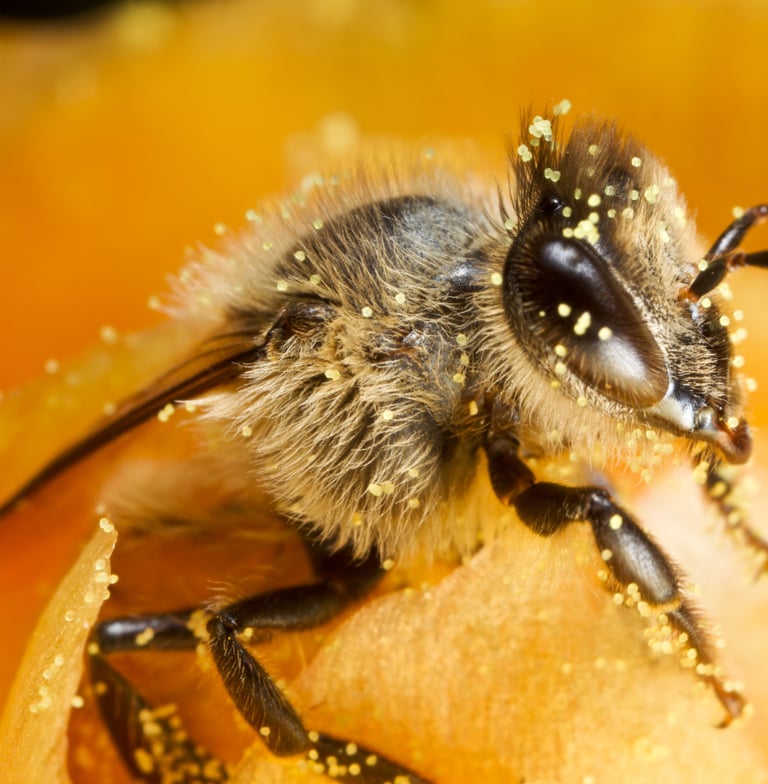

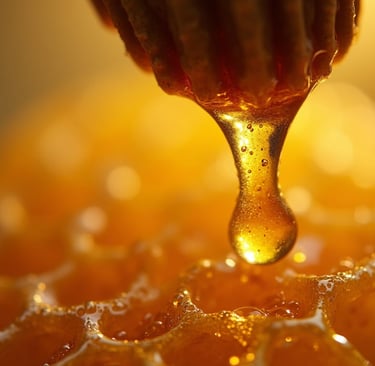
Raw honey comes straight from the honeycomb with no processing or filtering involved. Raw honey maintains its full complement of natural elements, including enzymes, vitamins, minerals and antioxidants. Raw honey preserves natural bee pollen and propolis particles, which commercial honey lacks because it undergoes pasteurisation and filtering to enhance clarity. Bee pollen consists of flower pollen combined with nectar, enzymes and honey to create a nutrient-dense blend, while propolis is a resinous material bees use to fill small gaps for hive protection. Raw honey is a nutritious natural food that has a distinct flavour and texture, as well as potential health benefits, making it a more wholesome alternative to conventional sweeteners that claim to promote better health.
Why Choose Raw Honey Over Commercial Honey?
Bee Propolis
Propolis is often referred to as "bee glue." It is a natural resinous compound produced by honeybees from tree sap and other botanical sources. Renowned for its medicinal properties, propolis has been treasured for centuries for its health benefits. It is packed with bioactive compounds, including flavonoids and phenolics, which contribute to its potent antioxidant, anti-inflammatory, and antimicrobial capabilities. These qualities make propolis a well-known natural remedy for enhancing the immune system, aiding in wound healing, and relieving sore throats.
Bee Pollen
Pollen in honey offers several health benefits because it contains
a variety of vitamins, minerals, proteins, and antioxidants, which contribute to overall wellness. The presence of antioxidants helps combat oxidative stress and may reduce inflammation, potentially lowering the risk of chronic diseases. Additionally, the amino acids and enzymes found in pollen can support digestive health and enhance metabolism. Some studies suggest that consuming local honey with pollen can help alleviate seasonal allergies by gradually desensitising the immune system to local allergens.
FAQs
What is raw honey?
Raw honey is honey in its purest form. It's unprocessed, straight from the hive, keeping the nutrients and natural enzymes intact.
How is it different?
Unlike commercial honey, raw honey isn’t heated or filtered, preserving its nutrients and flavour. Nothing added or removed.
How should I store honey?
Store raw honey in a cool, dry place away from direct sunlight, in a sealed container to maintain its texture and fresh taste.
Does honey crystallise?
Yes, crystallisation is natural and doesn’t affect quality or taste. Some floral types will crystallise quicker than others.
Is raw honey healthier?
Unlike regular commercial processed honeys, raw honey retains pollen, enzymes, antioxidants, vitamins and nutrients that heat processing (pasteurisation) destroys.
Can infants eat raw honey safely?
Avoid giving raw honey to children under one year old due to potential botulism risk.
Which Honey would you buy?
The removal of natural substances in honey has consequences in other areas aside from nutritional value. Pollen is unique to the geographic and botanical sources the bees forage. Pollen, therefore, acts as a fingerprint which can be used to determine the authenticity of various types of honey. The removal of pollen makes it difficult to determine authenticity, thereby making honey fraud (adulterated) easier. The enzymatic components removed also play a role in natural preservation and the health benefits of honey. The concentrations of antioxidants, including flavonoids and phenolic acids, which may help to combat oxidative stress in the body, are also reduced in highly processed honey.
Australia has some of the strictest biosecurity laws in the world when it comes to importing honey. This is to keep the bee industry free of diseases and pests like American foulbrood and Varroa mite, just to name a few. While more people are becoming aware of the importance of knowing where their food comes from, many are still unaware of the differences between raw and commercial honey. Regulations around labelling honey are improving, but consumer education is also necessary. When people understand how honey is processed and can identify quality indicators like crystallisation (a natural process in many raw floral honey types), they can make informed decisions when purchasing honey that benefits their health and supports sustainable beekeeping practices.
In conclusion, raw honey from Australia differs from commercial and imported honey in a number of important ways. For example, honey for importation must be heat-treated to at least 65°C for 10 minutes. In addition, extensive documentation of the treatment, certification of origin and laboratory testing for residues and adulteration is also required. These rules and regulations mean raw honey cannot be imported as treatment to pass legal requirements, which automatically turns it into commercial honey by destroying the very aspects that make raw honey “raw”. By choosing raw Australian honey, consumers can support local beekeepers, help preserve the role of bees in Australian agriculture, and enjoy the superior taste and nutritional benefits that raw Australian honey has to offer.
While raw Australian honey may be more expensive, the health benefits and unique flavours make it a worthwhile investment for health-conscious consumers.

Melli Magic Honey™
Embrace the essence of 100% pure, natural, raw, Australian honey!
+61-411234759
Melli Magic Honey™© 2025. All rights reserved.
Premium Australian Honey
Subscribe to our newsletter!
ABN: 65366959676
149 The Grand Parade, Monterey, NSW, 2217