
Varroa Mite: Operation Decker Report a Biosecurity Failure
Australia faces a new biosecurity threat with the arrival of the L9251 mutation.
Australia's Varroa Mite Incursion: A Catastrophic Gap in Biosecurity - Operation Decker Report
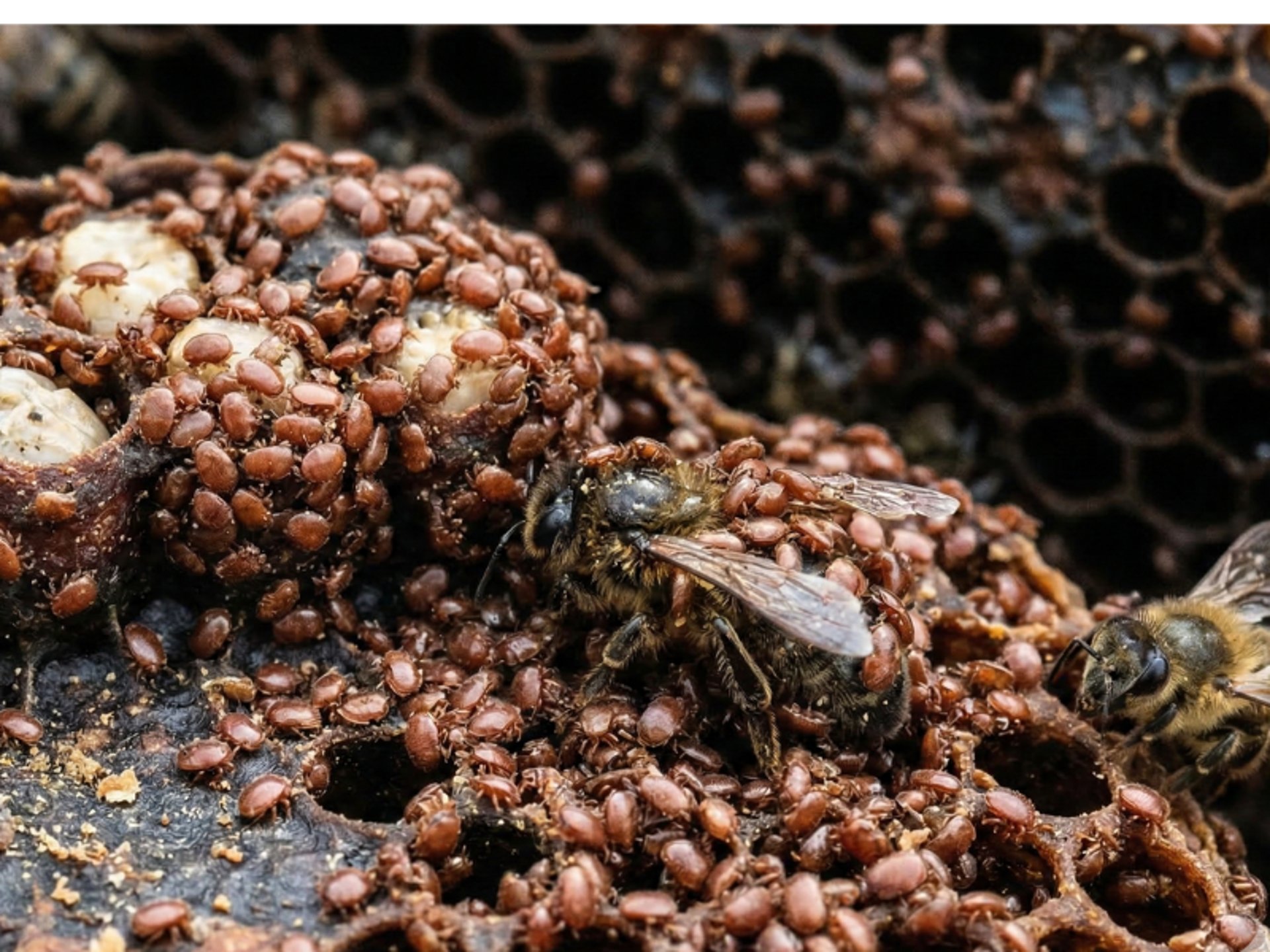
Australia was once the world’s last stronghold against the honeybee’s most formidable enemy, aside from American Foulbrood: the Varroa Destructor. While biosecurity had monitored minor, contained 'breaches' via cargo ships as early as 2018, the status of the Australian hive changed forever on June 22, 2022. During the routine surveillance of sentinel hives at the Port of Newcastle, NSW, the first mainland colony of Varroa destructor was confirmed. This wasn’t just a discovery; it was the start of the largest biosecurity siege in our nation’s history, fundamentally shifting the landscape for every Australian beekeeper and honey producer.
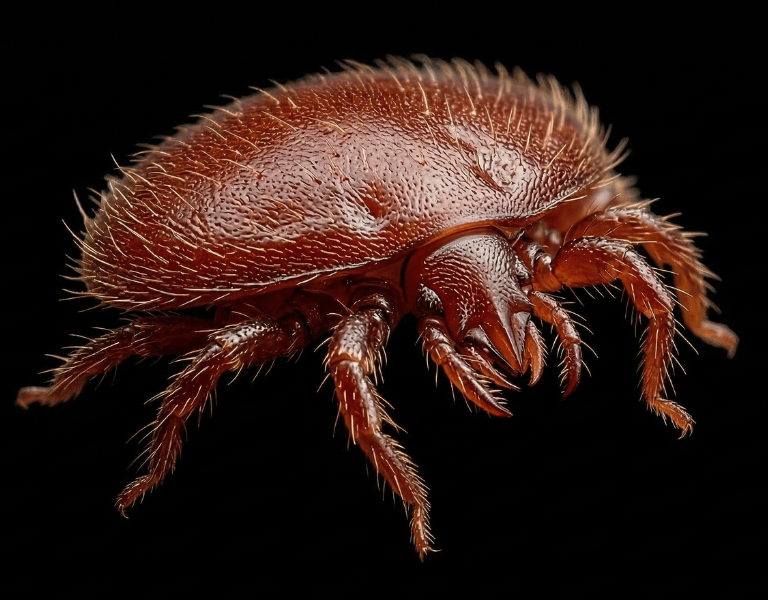
The transition from eradication to management in 2023 was a turning point, but March 2026 has brought a new level of complexity. The official confirmation of the L925I mutation of the varroa mite in both New South Wales and Queensland signals the arrival of the 'Super Mite'—a resistant strain that bypasses traditional pyrethroid treatments. The Varroa destructor is no longer just a parasite—it's a 'Super Mite.' With the L925I resistance mutation now confirmed in Australia, understanding the mite's biology is the first step in defending the hive against this modern siege. To understand the current crisis, we must first define the Varroa mite (Varroa destructor) and its impact on honey bee health.
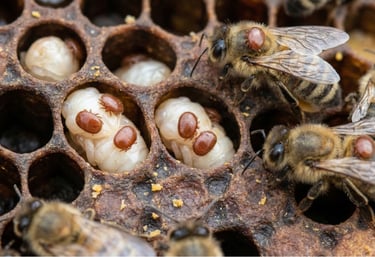
Australia’s Varroa Mite Crisis
Nearly four years after the initial discovery of the Varroa mite, the Australian Honey Bee Industry Council (AHBIC) has slammed a federal investigation for failing to pinpoint how the pest breached our borders. The final report from Operation Decker, released on March 17, 2026, has left the industry in the dark, failing to identify the entry point, the timing of the breach, or the specific circumstances of the incursion.
A System That Once Worked
The disappointment among beekeepers stems from the fact that Australia’s biosecurity has successfully blocked this threat before. In 2018, a major breach was averted at the Port of Melbourne when officials intercepted Varroa destructor on a swarm of bees inside a cargo ship from Texas. Because that incursion was caught "on the water," it was immediately snuffed out, preserving Australia’s Varroa-free status for four more years.
In contrast, the 2022 Newcastle incursion—and the subsequent failure of Operation Decker to explain it—suggests a systemic breakdown that the industry can no longer ignore.
Key Points of Contention
AHBIC CEO Danny Le Feuvre highlighted a growing sense of frustration among beekeepers, noting that "inconclusive" findings offer zero protection against the next wave.
No Smoking Gun: The report found no direct evidence of illegal importation or smuggling.
Forensic Gaps: Physical and digital evidence failed to provide a clear timeline.
The Result: One of the world’s most devastating agricultural pests remains an unsolved mystery.
The 2026 "Double Blow": Pyrethroid Resistance
This lack of answers is particularly catastrophic given the events of early 2026. In January and February 2026, authorities confirmed the first cases of pyrethroid-resistant Varroa mites in northern New South Wales and South East Queensland.
With mites now surviving standard chemical treatments (like Bayvarol and Apistan), the industry is losing its most vital tools. Without knowing the original entry pathway, experts cannot determine if these resistant mites were a part of the original 2022 breach or a new undetected incursion that has slipped through the same unblocked gap.
Broader Biosecurity Implications
Mr Le Feuvre warned that this failure exposes a "catastrophic gap" in Australia’s border integrity.
“If we do not understand how Varroa entered the country, it becomes far more difficult to ensure the same pathway cannot be exploited again. This matters not just for beekeepers, but for every agricultural industry that relies on Australia’s biosecurity protections.”
FAQs
What is Varroa?
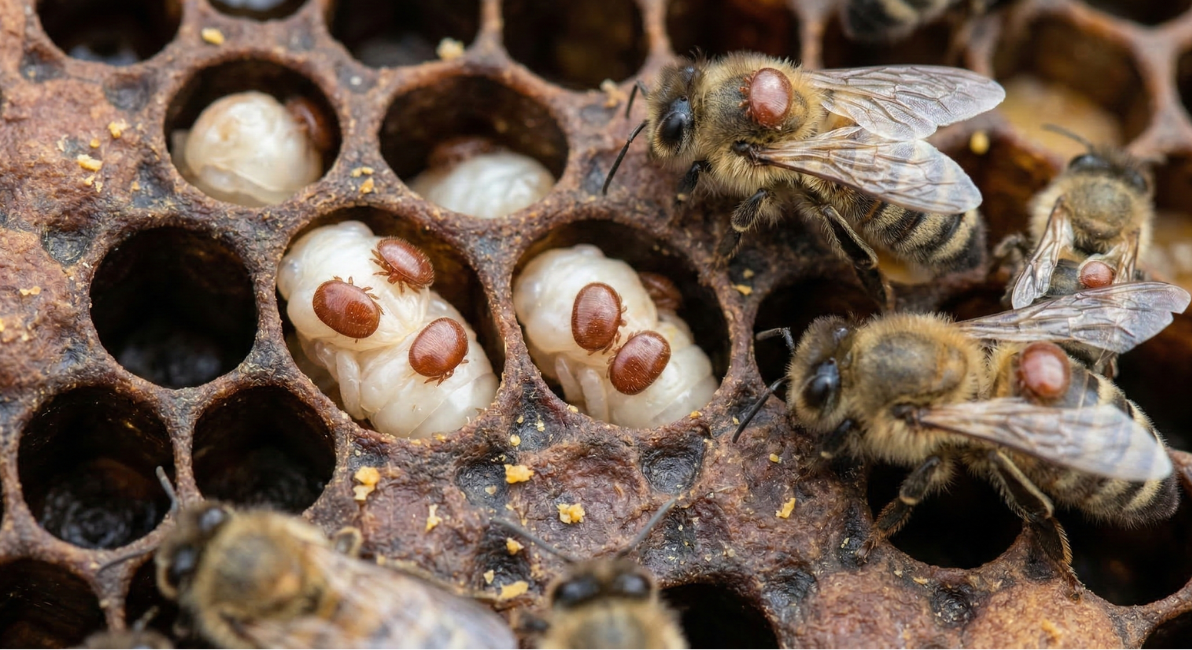
Varroa is a parasitic mite that attacks honeybees, threatening their health.
Why is it risky?
It spreads diseases and weakens bee colonies, risking pollination and agriculture.
How was it discovered?
Scientists found Varroa mites on bees during routine inspections, confirming its presence in Australia.
What happens next?
Biosecurity teams are working to contain and manage the mite's spread.
Can it be treated?
There are treatments, but early detection is crucial for success.
How can the public help?
Report unusual bee deaths and avoid moving hives to prevent spreading the mite.
Gallery
Visual stories of the varroa mite discovery


Melli Magic Honey™
Embrace the essence of 100% pure, natural, raw, Australian honey!
+61-411234759
Melli Magic Honey™© 2025. All rights reserved.
Premium Australian Honey
Subscribe to our newsletter!
ABN: 65366959676
149 The Grand Parade, Monterey, NSW, 2217