"Pharmacy-Trusted Since 2013."

the origins of macadamia honey banner

The True Origins of Raw Australian Macadamia Honey

"Trace the journey of the native Australian macadamia tree and discover how its blossoms create a pure, raw honey with a rich, natural sweetness."

The Roots of the Nectar: Journey to the Australian Macadamia Tree!

When you open a jar of our raw macadamia honey, you aren't just tasting a natural sweetener—you're experiencing a distinct piece of the Australian coastal landscape. To truly understand the rich, nutty, and slightly buttery profile of this unique varietal, you have to look at where it all begins: the Australian macadamia tree.

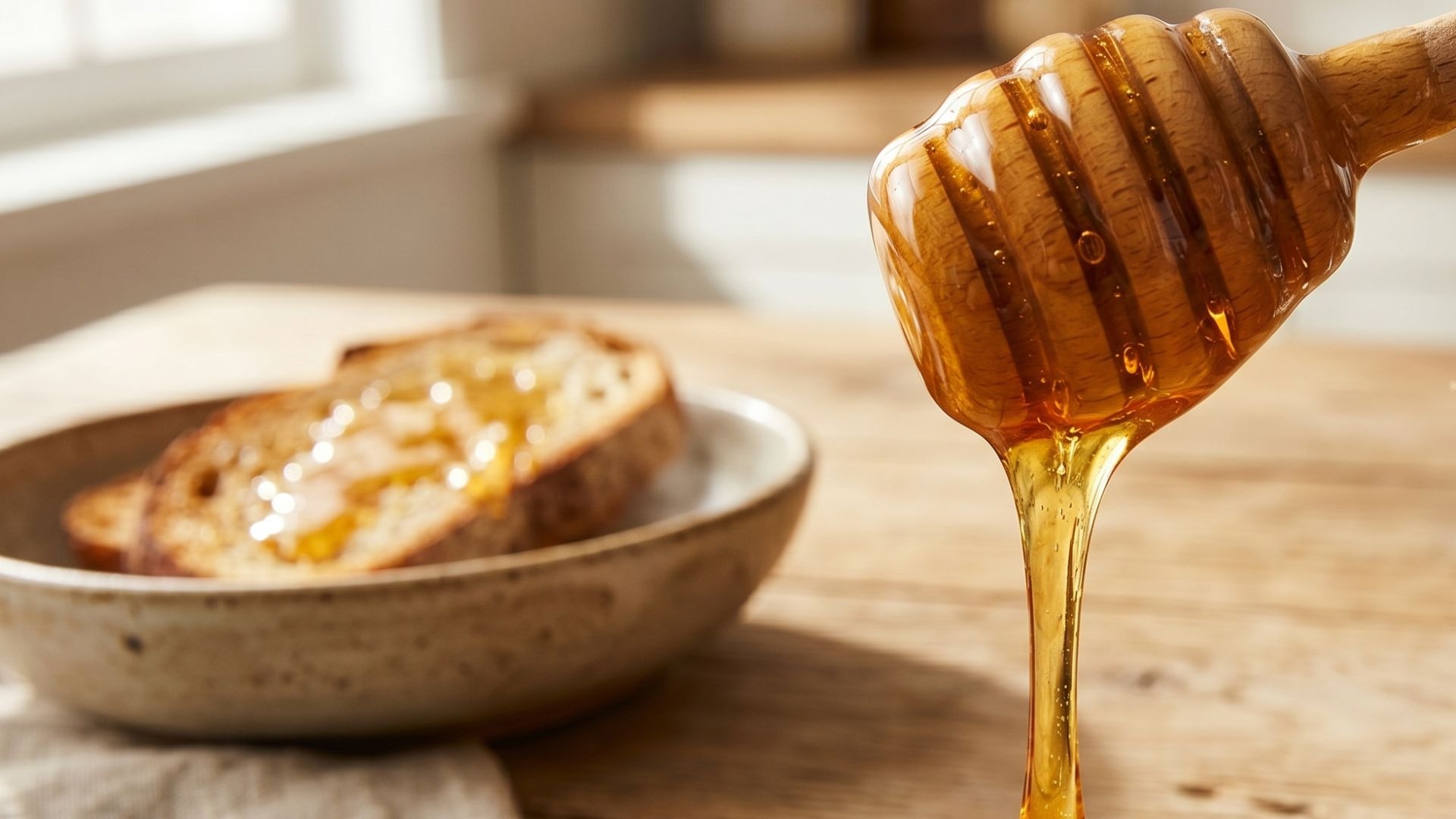
Close-up of golden macadamia honey dripping from a wooden honey dipper with macadamia tree blossoms in the background.

100%

10/10

Pure Gold

100% Raw

The Native Habitat of the Australian Macadamia Tree

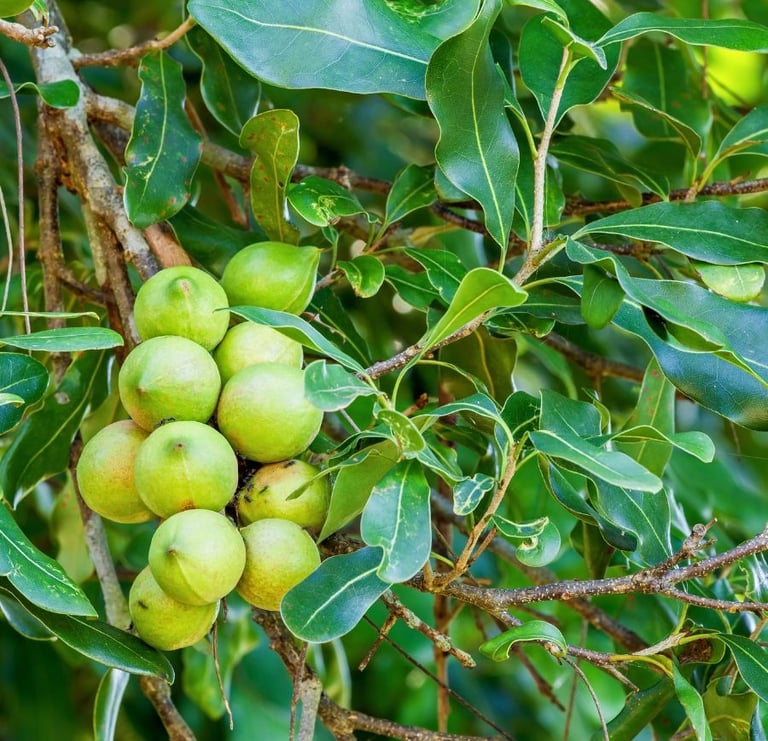
a close up opicture of macadamia nuts on a macadamia tree in Australia
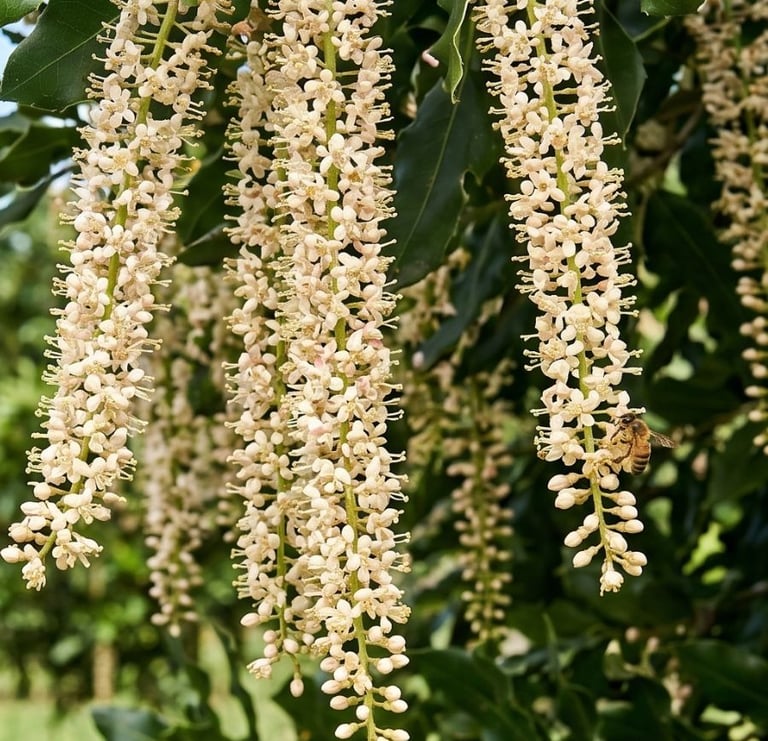
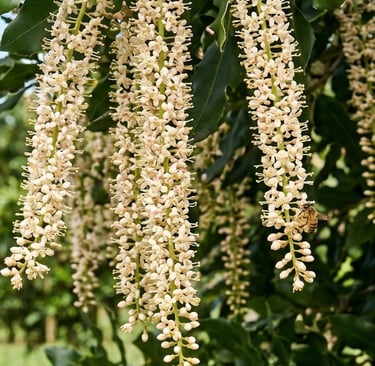
a bee on macadamia flowers

While the macadamia nut is now a globally recognised gourmet ingredient, its true indigenous roots aren't in Hawaii, as many believe. These resilient trees—Macadamia integrifolia and Macadamia tetraphylla—have actually been thriving quietly in the ancient, subtropical rainforests of eastern Australia for millennia.

These evergreens are entirely native to the coastal regions of northern New South Wales and south-eastern Queensland. It is an environment defined by deep, well-drained volcanic soils, high humidity, and the dappled sunlight of the forest canopy. The trees flourish in these specific microclimates, pulling complex minerals from the earth, which eventually translates into the distinct, robust flavour profile of the nectar. For a beekeeper, setting up hives in these regions means working in harmony with one of Australia's most pristine and productive natural ecosystems.

The Honey Flow: When Macadamias Blossom

The magic truly happens during the brief, explosive flowering season. In Australia, the macadamia tree wakes up from the cooler winter months and bursts into full blossom between August and September.

During this late-winter to early-spring window, the trees produce stunning, cascading spikes known as racemes. Each of these pendent strings holds hundreds of delicate, highly fragrant pink and creamy-white flowers. For the bees, this is the ultimate foraging ground. The macadamia blossoms produce a heavy, high-quality nectar flow that is deeply aromatic.

Because the flowering window is relatively concentrated, the hives work tirelessly during these weeks. The bees meticulously gather the macadamia blossom nectar, returning to the apiary to cure it into the thick, golden honey we bottle.

A beekeeper gently tending to a hive nestled among macadamia trees in a sunlit orchard.

Pure, Unprocessed, and Wild

Capturing the essence of the macadamia blossom requires precise timing and a deep respect for the bees' natural rhythms. By maintaining strict biosecurity and harvesting practices in these specific NSW and Queensland coastal pockets, every drop of Melli Magic macadamia honey® remains pure and unprocessed. The result is a raw Australian honey that carries the wild, untamed spirit of the subtropical rainforest straight to your table.

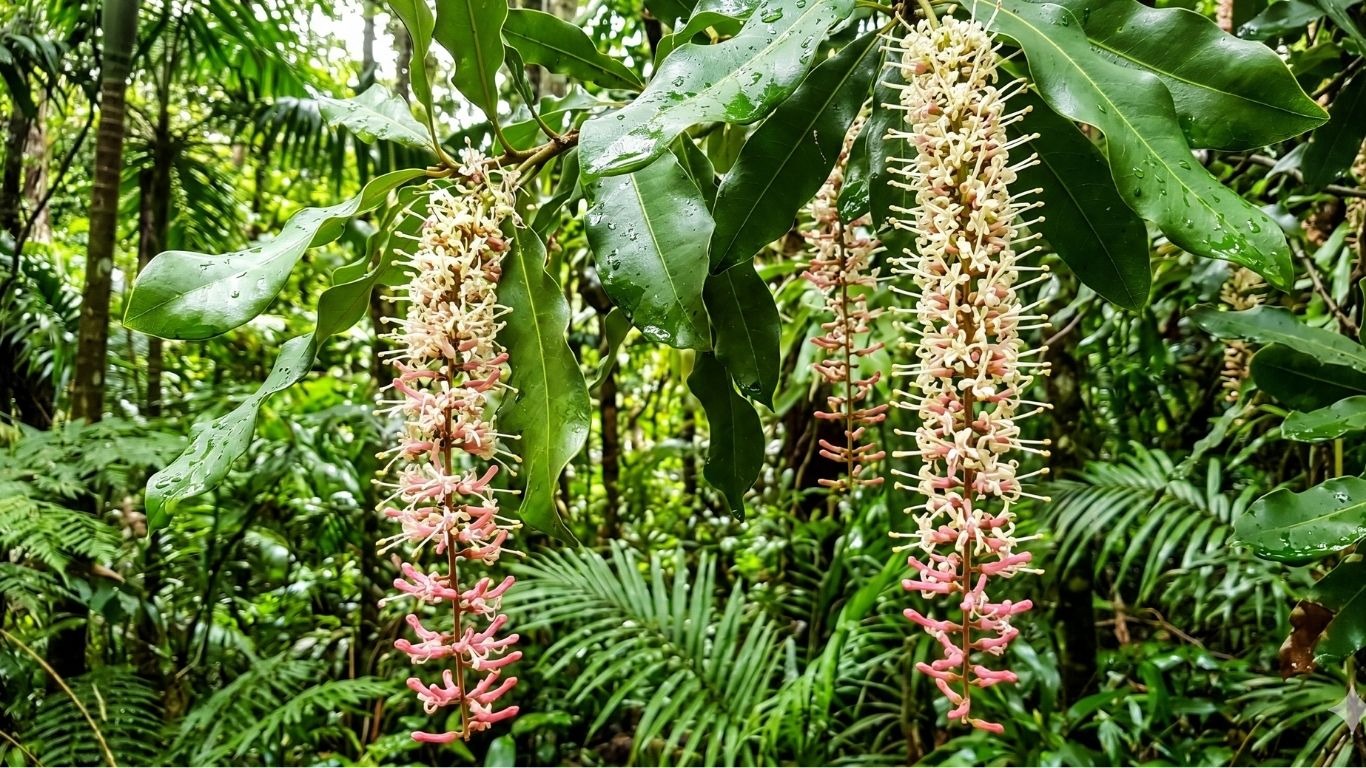
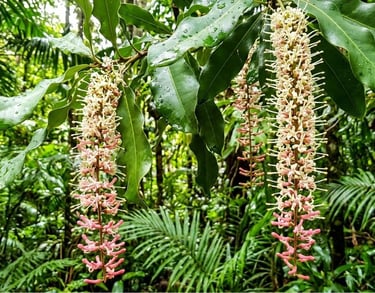
Australian macadamia floers in full bloom

The Botanical Breakdown

  • The Raceme: The long, hanging "string" you see in the image is a flower spike botanically known as a raceme. These racemes naturally grow to be quite long, typically ranging from 100 mm to 300 mm, and in some cases, they can reach up to 500 mm in length.

  • The Individual Flowers: While the raceme itself is very long, the individual flowers attached to the stalk are actually quite small—usually only about 10 mm to 15 mm long.

  • The Cluster: A single raceme groups together hundreds of these tiny flowers, often holding anywhere from 100 to over 300 individual blooms on one spike.

So, while a single macadamia flower is tiny, the full raceme they grow on creates those beautiful, long, pendulous cascades shown in the image.

Frequently Asked Questions:
Raw Macadamia Honey

Are macadamias originally from Hawaii?

A common misconception! While Hawaii made the macadamia nut famous commercially, the trees are not native to the Hawaiian islands. The Macadamia integrifolia and Macadamia tetraphylla trees are strictly native to the ancient, subtropical rainforests of eastern Australia. By harvesting our honey right here in New South Wales and Queensland, we are capturing the nectar exactly where nature intended.

What does macadamia honey taste like?

Unlike standard table honey, raw macadamia honey has a distinct, rich, and slightly buttery flavour profile. Because the bees forage on the nectar of macadamia blossoms rather than the nuts, the honey doesn't taste exactly like eating a handful of macadamias. Instead, it offers a deep, naturally sweet, and earthy taste with subtle nutty undertones.

Can I eat macadamia honey if I have a tree nut allergy?

Honey is produced from the nectar of the macadamia tree's flower, not the physical nut. The proteins that typically trigger tree nut allergies are found in the nut itself. However, because our honey is completely raw and unprocessed, it naturally contains trace amounts of pollen from the macadamia blossoms. While reactions are rare, anyone with a severe tree nut allergy should consult with their doctor or an allergist before consuming macadamia honey, just to be absolutely safe.

Where does your macadamia honey come from?

Our macadamia honey is purely Australian and is sourced in the coastal areas and subtropical rainforests of New South Wales and Queensland. The bees collect the nectar during the brief late-winter to early-spring window when the native macadamia trees burst into full blossom.

Why does my raw macadamia honey look cloudy or solid?

That is a sign of pure, high-quality honey! Because the honey is never pasteurised or ultra-filtered, retaining all its natural enzymes, pollen, and antioxidants. Over time, this raw honey will naturally crystallise and become solid. If you prefer it liquid, place the jar in a bowl of warm water and gently stir until it returns to a smooth consistency.

What is the best way to use macadamia honey?

Its robust, slightly buttery flavour makes it an incredibly versatile gourmet ingredient. It is exceptional when drizzled over aged cheeses, blended into a morning gut-health smoothie, used as a glaze for roasting salmon, or simply stirred into your daily tea or coffee (as a natural sweetener only).

Is it healthy?

Yes, it contains natural antioxidants and enzymes beneficial for wellness.